The Australian Smart Guide to Perfect Blinds
Wiki Article
Secure & Sound Australia's No-Negotiables For Child-Safe Blinds
To create a perfect home, safety should always be the primary consideration not an extra-curricular consideration. When it comes to window furniture this rule of thumb takes on a life-or-death significance. In Australia the real-world truth is that loose or looped blind cords and chains can pose a silent, hidden strangulation risk to babies and children. The mandatory safety standards of the country aren't just guidelines; they're a legal plan for prevention. Knowing the rules is not just an important aspect of the buying procedure. It's the key to the whole process. Let's clarify what real child safety looks like in the Australian blinds market and go beyond the jargon to actual, life-saving knowledge.
The Australian Competition and Consumer Commission has a standard to which every window covering with cords must adhere to. It was born from tragedy and is designed to reduce any risk that is present at the source. The rule is simple: every new curtain and blind are required to have safety devices installed or be cordless as a default. Standard does not only apply to products as well as instructions for installation. It is crucial to note that conformity is solely the responsibility of the installer or the supplier. You have the power to be a smart consumer by knowing what you need to be looking for and recognizing.
How does compliance in reality appear? The solutions are divided into three distinct categories, each having their own strengths.
Cordless designs and motorised ones. This is the complete removal of all dangers. Blinds that are cordless, such as panel blinds, are operated by a soft push-pull device or a ratchet with a side-winding feature. Motorised roller blinds are operated via remote control, smartphone or other devices. They offer convenience and security. The security they offer is priceless, even though the price may be more expensive. They're the future of window coverings. This is a crucial factor to take into account for any space in which a child will sleep or play.
Second, Compliant cords and chains with safety Devices. When chains or cords are useful, such as certain Venetians or vertical blinds the standard requires safety features. At a minimum, you must be considering tension devices. They are usually cleats or similar devices that are permanently fixed to the wall or window frame. The cord has to be tightly wound and secured at the end of every adjustment. It is important to ensure that the cord is kept short and in a tight position. Don't ever create a loose knot. A breakaway connector, or safety tassel is an additional crucial feature. It's a small and built-in device that is designed to release under very little pressure. When a child is stuck, it will break the potentially hazardous loop. It's a vital failsafe. Blinds should be installed prior to installation, and they must also be shown how to operate by the installer.
Third, the Critical Importance of a Professional Installation. This is where many safety measures, in spite of their good intentions, fail. Incorrectly installing a approved window blind can render it unsafe. Professional installers are trained to recognize the precise location of tension devices. They place them out of reach for children who are climbing and at least 1 m above the ground. They will trim the cords to a minimum length that is appropriate. They should secure the blind to ensure it won't fall. They should conclude the installation with clear instructions on how to operate the blind properly and keep the safety devices in place. A DIY job, no matter how handy you may be, is likely to miss these nuanced but vital steps.
Your dialogue with the blinds service needs to be active. Inquiring "Are the blinds child-safe?" is not enough. "--a term that is too frequently used loosely. You should ask more precise, specific questions. "Can you show me the exact safety features included in this product to comply with AS/NZS60335.2.97?" The installer will attach the tension devices to a wall permanently and demonstrate the way they work? If there is a cord on this device, what is its maximum length, when it's stored properly is there an escape safety tassel that is that is attached to the cord? Trustworthy companies will be delighted to answer these questions with certainty and a sense of clarity. Be cautious of companies who are sloppy, insensitive or say that an additional cleat will suffice.
It's also essential to look at your current blinds. The required standard applies to all new products However, the danger is still present all over the nation. It is crucial to take action as soon as you notice your blinds have cord loops. Window Covering Council of Australia(WCCA) provides a free retrofit safety kits containing the cleats. This is a simple weekend task. Adjust the arrangement of your bedroom. Avoid placing a cot or a high chair close to the window with an electric blind. Entanglement can occur swiftly and quietly.
The choice of child-safe window blinds in Australia is the conscious act of consumption. It is about looking beyond the sample fabric and asking about the mechanism. It is about valuing a vendor's knowledge of the requirements as well as their color range. The least expensive option could come with unexpected cost-savings. The mandatory standard provides a solid framework, but its effectiveness is dependent on a well-informed decision and the correct installation.
It is an investment to have a home that is worry-free. You will be able to enjoy the look and control of light with the knowledge that a hidden danger has been removed. It transforms your windows from a potential risk into a safe environment for your family's development. The choice is obvious cordless, safe, do not compromise the installation. Your child's future that is in balance. Check out the top blinds for site examples including blinds over blinds, blinds and blinds, diy blinds australia, blinds to go blinds, blinds to go blinds, custom fit blinds, blinds fitting, blinds australia, custom blinds direct, your blinds and more.
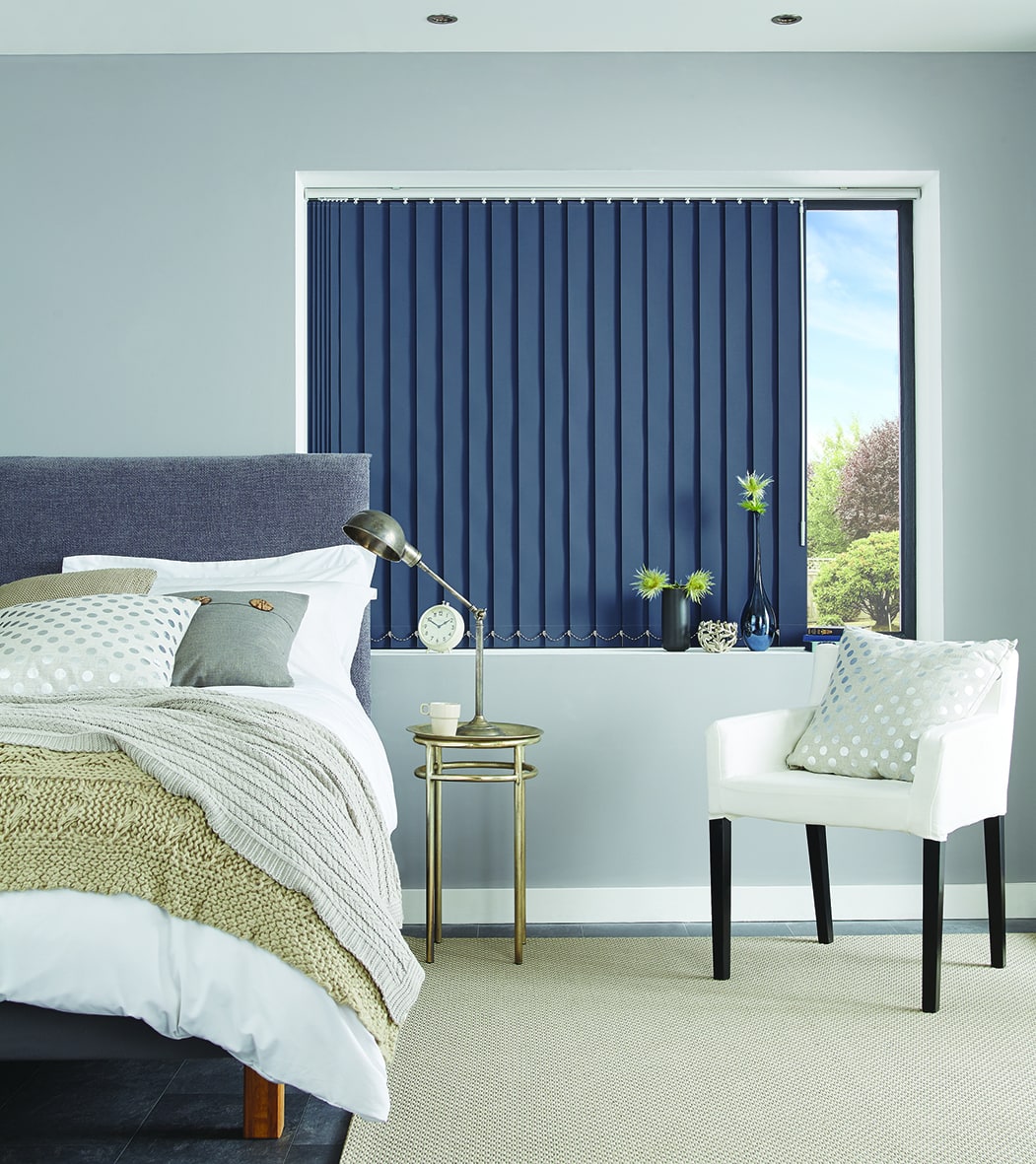
The Silent Change: What Is It? Motorised Blinds Are Slowly Redefining Australian Homes
In Australian tradition, the simple blind was always regarded as to be operated by hand. Simple, physical acts define the rhythms of life at home. Pulling on a string, a twist with the wand. A quiet revolution is unfolding, driven not by a alteration in fabric, but in function. Motorisation, once seen as a futuristic luxury in Australia, is fast becoming a sensible and central aspect to consider. The blinds are no longer an inflexible covering, but rather an connected system that can provide security and convenience and also opens up the opportunities for energy-efficiency and contemporary living. It's not just about eliminating the cord but rethinking how blinds could be used.
Let's start by focusing on the immediate appeal. Simple, easy convenience. Take the most common design feature in Australia, such as the large windows in the bank or the tall glass door or the hard-to reach skylight. Operating multiple covers manually in a tall or wide space is a chore. With motorisation, a single command--a button on a remote, a tap on a smartphone, or a voice instruction--orchestrates the entire scene. It is possible to lower the blinds in the lounge to block the afternoon sun, without ever having to leave your seat. It is possible to open the blinds in your bedroom gently before you go to bed in order to greet the new day. This is particularly useful for rooms that have multiple or large windows. The task of opening blinds will become effortless and seamless. The mechanics are top-quality. A high-quality motor provides a smooth, silent and reliable operation, avoiding slips, jerks, or unbalanced alignments that be a problem for manual systems as they age.
Another advantage, which is an important Australian benefit, is the improvement in efficiency in energy use and the regulation of climate. Our greatest household energy cost is temperature management. Blinds that are motorized allow for a planned and timed operation that manual control cannot. With a simple timer, or the integration of the smart home system of your house, blinds can become active participants in managing the home's microclimate. It is possible to schedule them to automatically lower by 11 am, to block summer's fierce sun and also to avoid building up heat. In winter, they can be opened on sunny mornings in order to absorb passive solar heat, then closed at evening to provide insulation. This approach is a significant reduction in the demand on air conditioners and heaters and leads to lower energy costs. Automation for comfort and energy conservation.
Safety is a powerful argument with two sides. First, it provides the most effective solution for child safety. By eliminating cords and chains entirely, it removes the strangulation risk from the beginning, aligning precisely with and exceeding Australian mandatory safety standards. Parents and grandparents can have security. In addition, it increases the security of your home. A random pattern of blind movement is a well-known alarm for potential burglars who seek out signs of an empty house. If you're not home, your smart blinds can be programmed to rise and lower at different times and simulate the presence of guests in a way manually operated blinds or static timers cannot replicate. This adds protection to your routine.
However, the real potential of motorisation can only be achieved through integration and smart eco-systems. Modern motorised window blinds are not isolated; they're designed to communicate. They can be connected to platforms such as Google Home or Amazon Alexa or Apple HomeKit to allow voice-controlled control ("Hey Google open the blinds in the living area"). In a more significant manner, they can be utilized to create scenes for an overall smart home automation. Imagine your alarm triggers the "Good Morning Scene" which slowly opens the blinds in the bedroom, and then activates the gentle lighting. The "Away scene' locks the doors, turns alarms, and shuts the blinds to secure the home. The integration of sensors can be utilized to lower blinds once the room temperature reaches a certain level and close them at sunset depending upon your location. This allows you to control your environment in a reactive manner, but also in a way that is intelligent and easily.
The way is now available to Australians who are considering taking this route. There are now retrofit options that allow motorisation of blinds that are already in use with headrails compatible typically with no need for full replacement. In new installations you have the option of choosing between hardwired and battery-powered units. Modern lithium batteries last for up to two years on one charge, making battery-powered units incredibly flexible and easy to install. Hardwired system are the best option for new homes and remodels that require wiring. The decision is based on the accessibility of your home's wiring as well as your preferences for ongoing battery management versus an upfront electrical installation.
Selecting the right system involves an adjustment in the way you consult. Inquiring "Can it motorised?" is no longer sufficient when talking to suppliers. Ask "How does it integrate?" You can also inquire about the smart home protocol (WiFi, Zigbee or Z-Wave). Ask about their recommended control system and its reliability. A warranty for motor and electronic components is essential. A reliable provider will be able to discuss fail-safes, such as manual override options in the event of power interruption, and will also ensure that the system has been calibrated for the exact weight and size of your blind.
The decision to invest in motorised shades in Australia will eventually result in a more efficient and secure home. This elegantly automated solution addresses the main issues facing our climate, lifestyle, and home. It turns a passive household item into an active tool for managing lighting, heat, and privacy. While the initial cost is more than with manual systems, the benefits in energy consumption, furniture protection, safety, convenience and comfort make it an appealing benefit. It's a conscious choice to build a home with your needs in mind rather than just a place to live.
